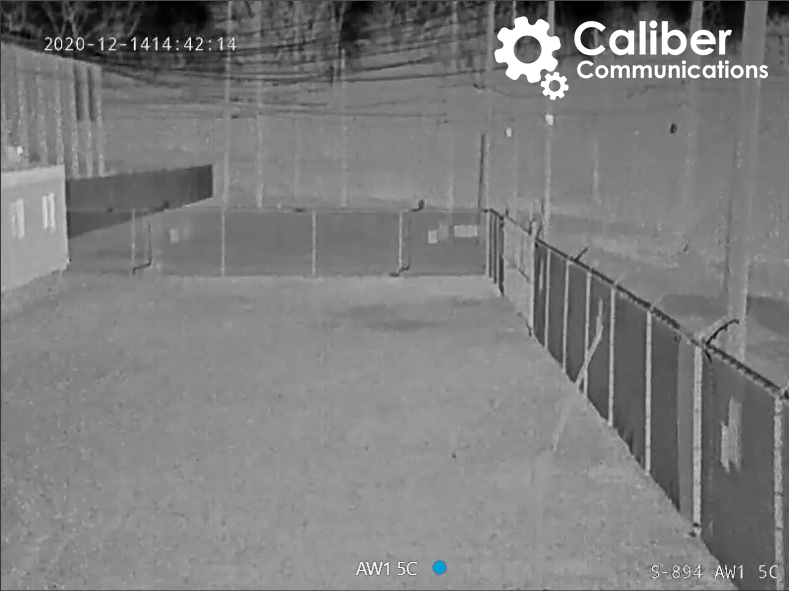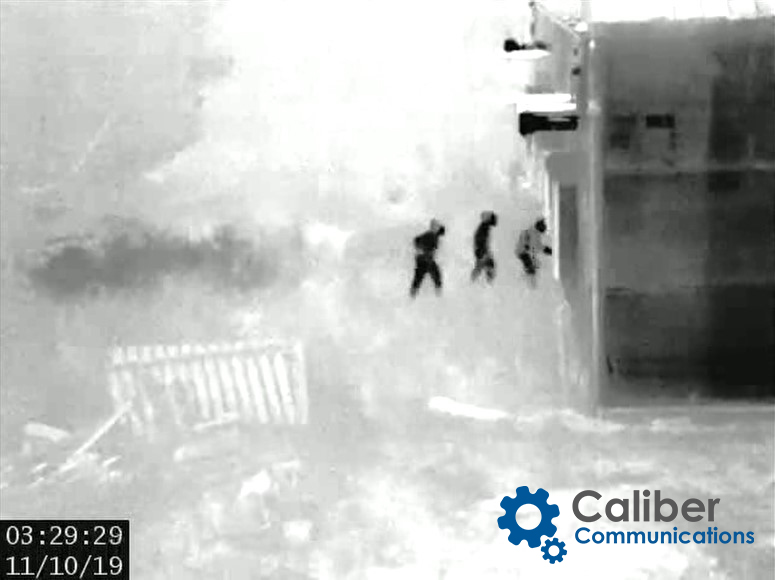
Security cameras, just like any other camera, rely on taking in light to capture an image. When lighting conditions are unfavourable, such as extremely low-light, or no-light environments, reductions in image quality are inevitable. There is a solution for these zero-light environments and its development started much longer ago than you might think…
Kálmán Tihanyi, a Hungarian physicist, electrical engineer and inventor, first developed thermal cameras, commonly confused with night-vision cameras, in 1929. Although Tihanyi’s invention was developed specifically for Britain’s anti-aircraft defenses at the time, the possibilities of the thermal camera were realized and pushed into multiple applications through the coming decades. Today, thermal cameras serve both military and non-military purposes across a wide spectrum. Thermal camera technology is now incorporated into different services such as building inspections, medical thermography, astronomy, fire detection, and security. Some variations of thermal cameras also sport the ability to read temperature measurements which helps in identifying electrical issues and hazards with power generation and distribution equipment.