


Artificial intelligence is centered on an exciting, and grounded approach to machine intelligence that has drastically evolved over 70 years. The term artificial intelligence was first coined by scientists, mathematicians and philosophers in the 1950’s. Among the many experts in this field, a young Alan Turing would be the first to propose the idea that computers had the capacity to use information to solve problems and make decisions, much like the human brain does. Fast-forward seven decades; he was right, and it is all around us.
Artificial Intelligence is Everywhere.
Artificial intelligence is the backbone for many touch points humanity interfaces with on a daily basis, and is now engrained across numerous products and industries, including remote video monitoring and security. In order for these systems to be effective, they must provide a solution to a problem or streamline a process, intelligently. Where can we find examples of this intelligent problem solving in our daily lives?
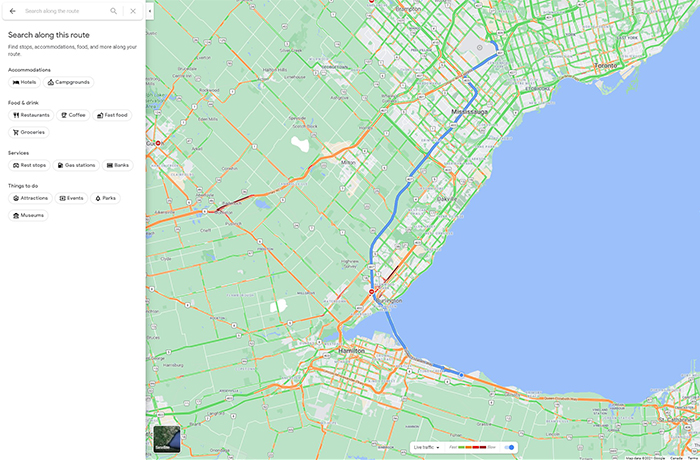
Google Maps and Apple Maps, two of the worlds’ premier mapping services utilize artificial intelligence to provide users with real-time mapping information that completely changed the way that we navigate our world. Features such as estimated trip duration, pit-stop recommendations, and route changes based off real-time traffic conditions are powered by AI-systems.
Artificial intelligence systems have even found themselves deployed as online customer service agents. This form of machine intelligence is used to communicate with customers and clients over a company’s website, and will provide answers and solutions to clients based on their questions. These systems apply memory and logic to understand what the end user is saying and will communicate back with relevant information in real-time.
Medical, pharmaceutical, and research centers are adopting and integrating machine learning to solve complexities and problems in healthcare. AI imaging capabilities are now used to identify and screen for various cancers, and can predict the course of disease. These AI tools are created through the utilization of deep-learning algorithms that can process published research, medical journals, and clinical trials of various cancer studies. (1)
The Strengths & Possibilities of AI
Ever since humanity took its first steps upon this earth, our evolution has been dependent on critical thinking and problem solving. The human mind’s never ending hunger for information and drive of innovation has proven to take us places we once thought were impossible. From the invention of the personal computer, breakthroughs in medicine, and even the moon landing, the unlimited power of knowledge and technology have propelled our society forward. Artificial intelligence is the next step in improving the world around us.
